画像処理中です...



国境を越える音楽
世界で出会った女性たちの人生を音楽に。国境を越えたアルバムをNYから世界へ




みんなの応援コメント

Carmine Guida
3時間前
It was always so wonderful to play music with you back in the day at Jebon. I hope to see you making some music soon!

FOR GOOD
プロジェクト実行者が支援金を全額受け取れるよう、支援者さまからのシステム利用料(220円+決済手数料5%)により運営しています。




2026/10/1 09:00
Grenades on the Dance Floor — English
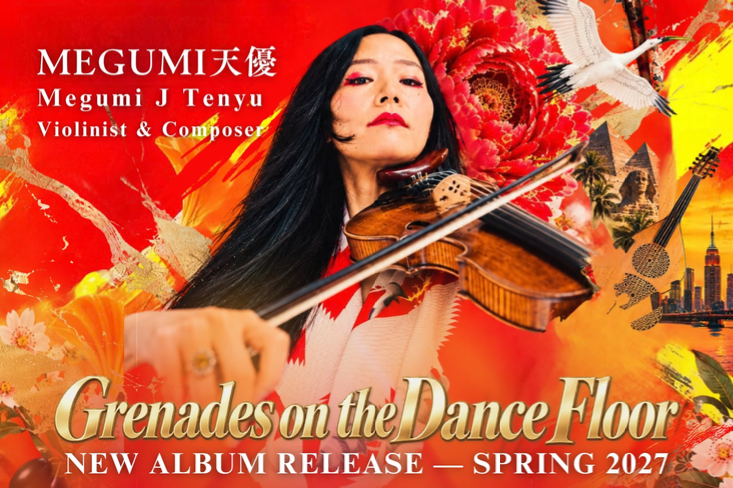
Grenades On The Dance Floor
About This Project
I turned the lives of women I encountered in Palestine, Syria, Egypt, and Japan—and the questions that grew from those encounters—into the five-track album Grenades on the Dance Floor.
Beyond large words like “war” and “refugees,” I want to bring the lives of individual people closer through music.
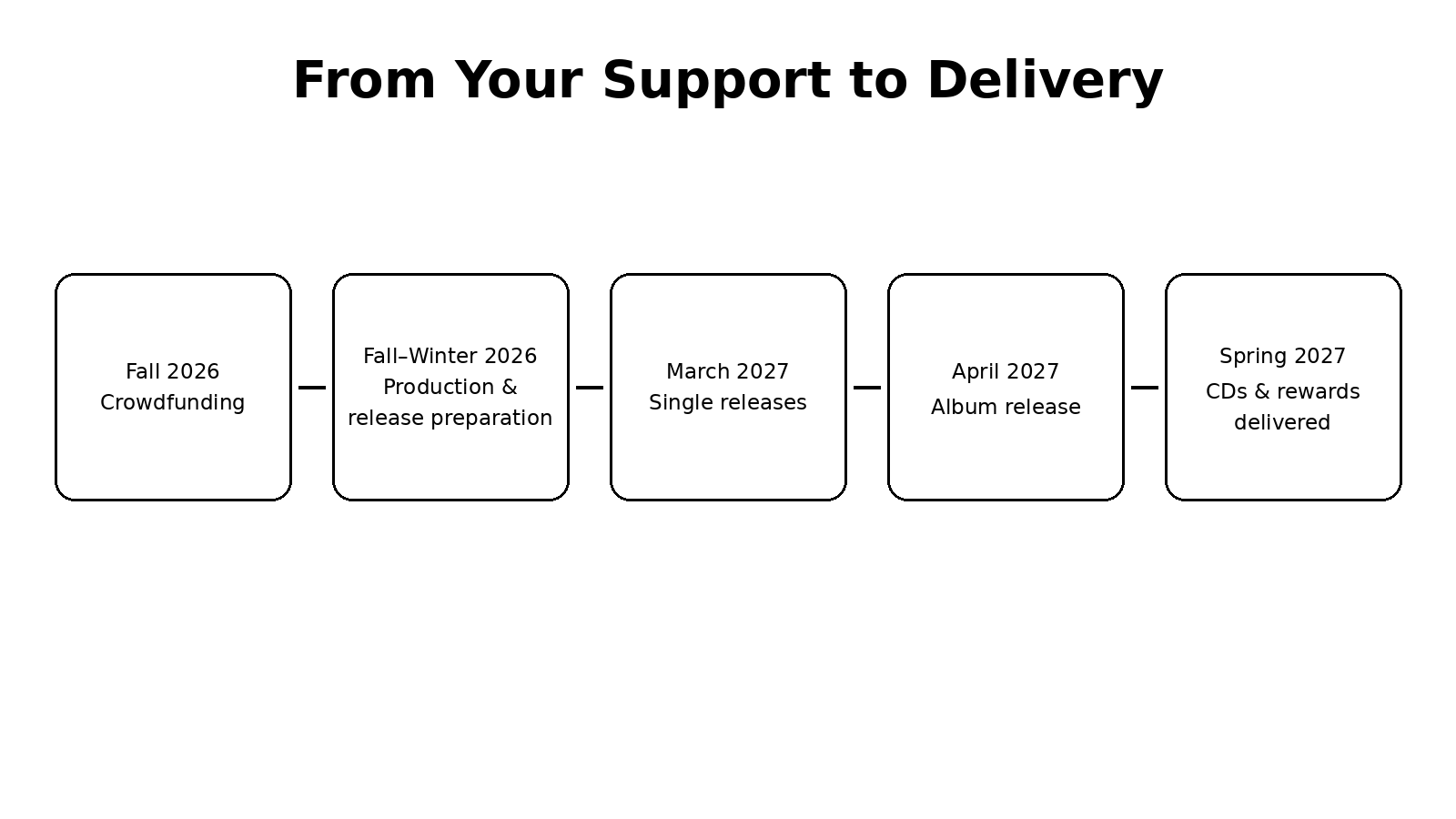
The music itself is already complete. As I prepare for the album’s release in spring 2027, I am asking for your support in this final stage: shaping the completed music into a finished work and bringing it to listeners.
First Goal: ¥2,000,000 / Second Goal: ¥3,000,000

Video
First, please watch this video about the ideas and experiences behind the album.
Grenades on the Dance Floor | Official Album Crowdfunding Video
Introduction
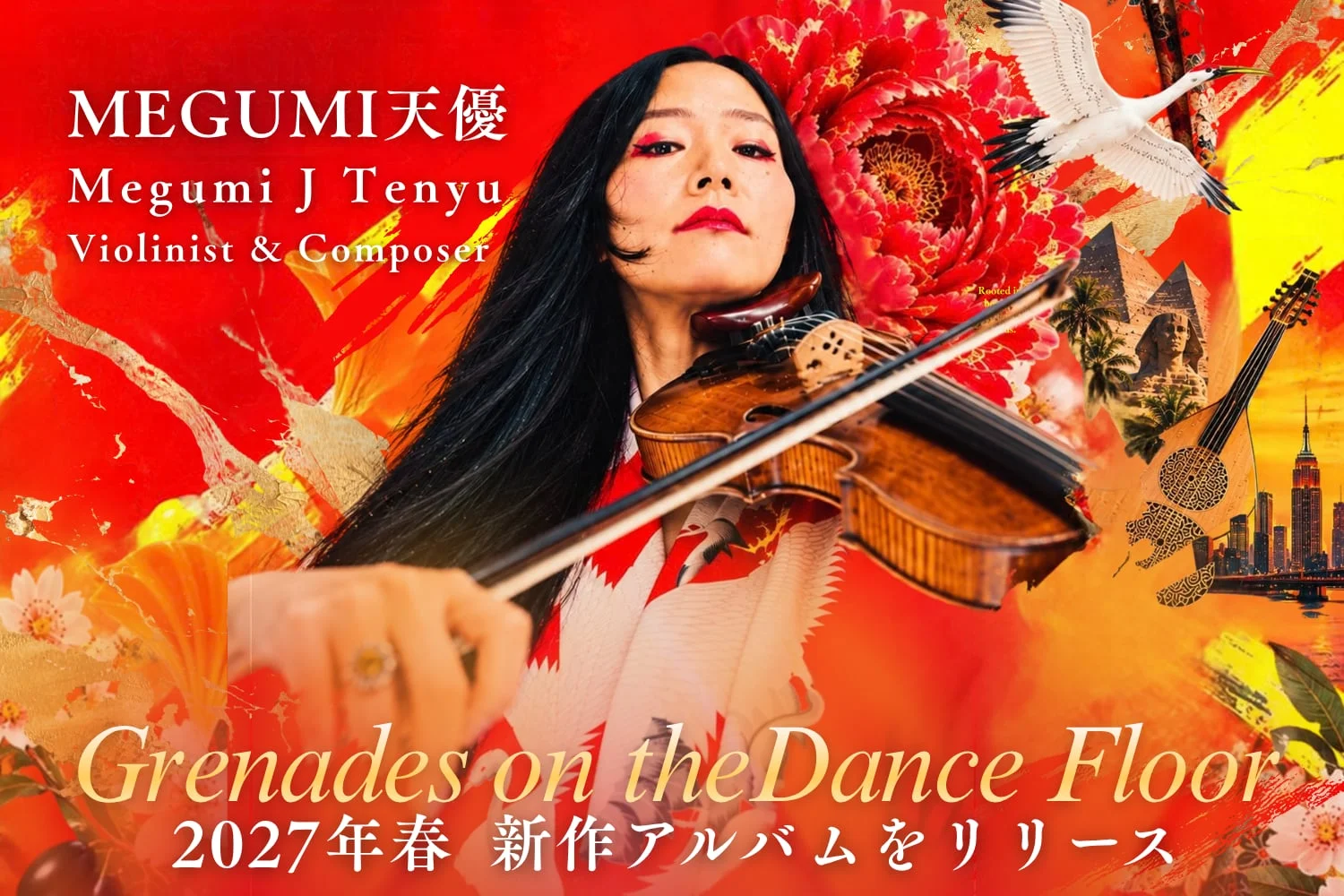
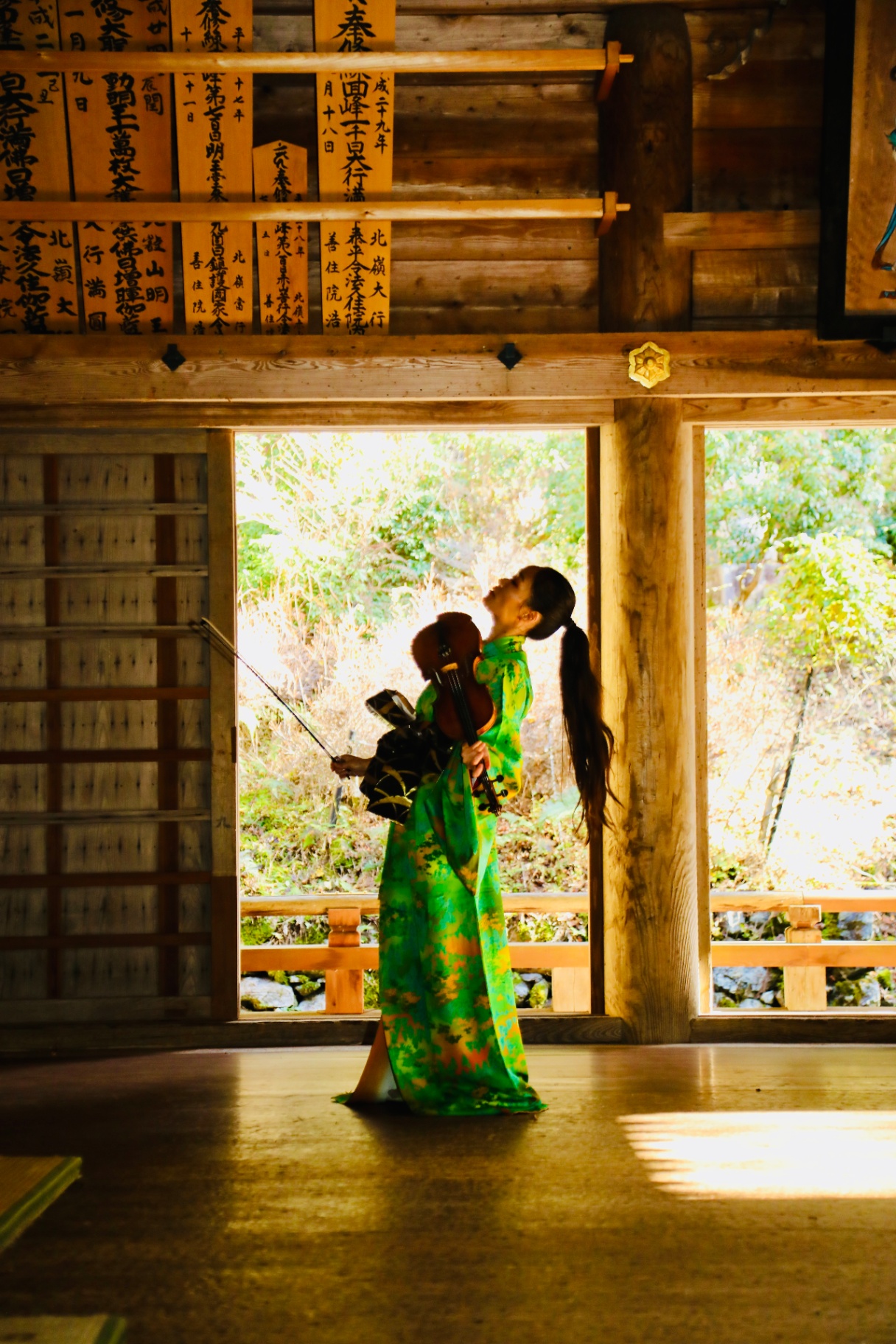
Hello, I’m violinist and composer Megumi J Tenyu.
This work carries what I have seen and encountered while moving through the world, including the stories of women I met from Palestine, Syria, Egypt, and Japan.
Grenades on the Dance Floor grew from the lives of women I encountered there, and from words and scenes that stayed with me.
Almost twenty years ago, I moved to New York to study jazz. My father played jazz drums, so jazz had been around me since childhood.
My encounter with Arabic music, on the other hand, began almost by chance.
While living in New York, someone came into my life who introduced me to Arabic music.
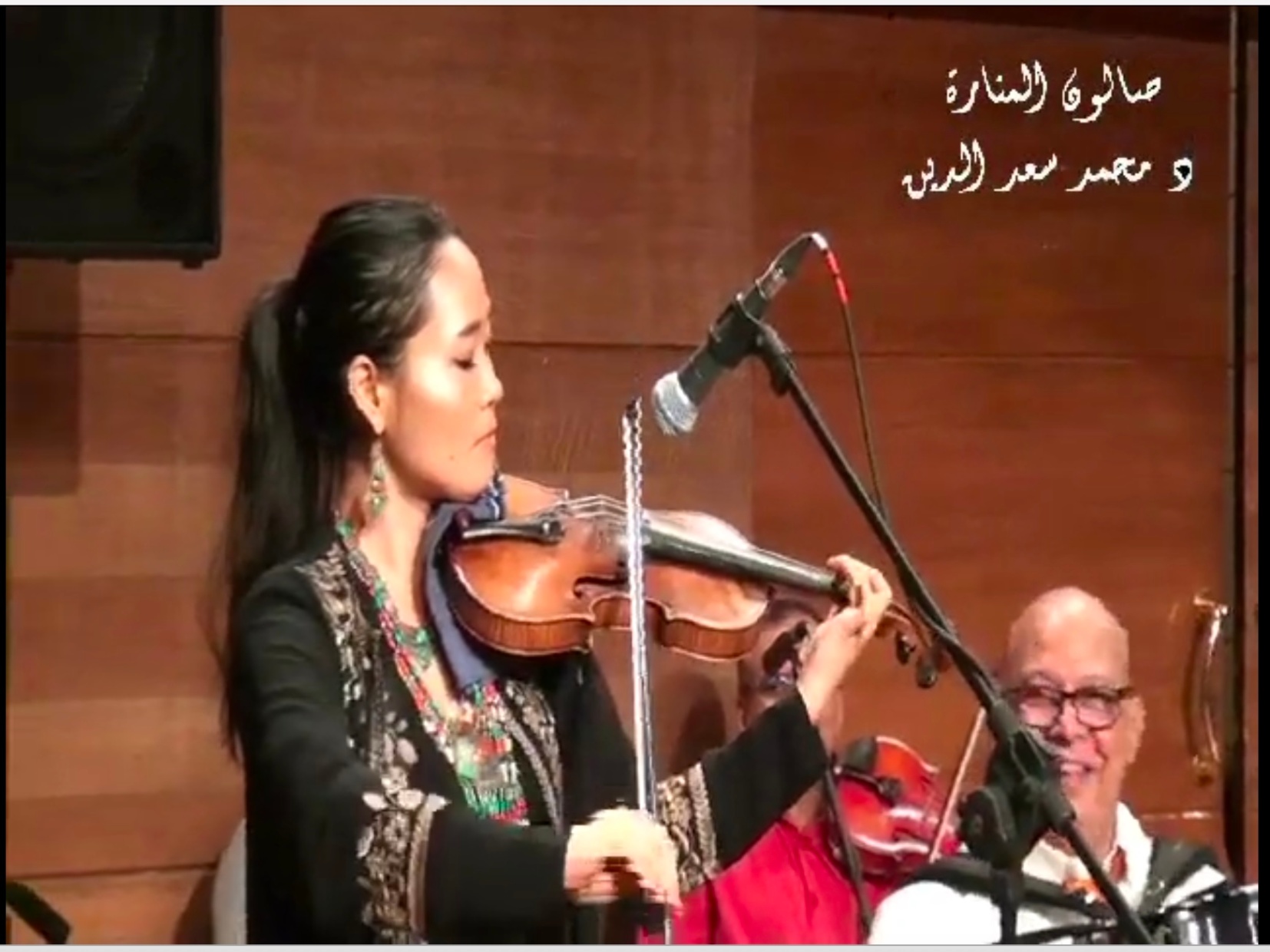
As if following the trace of that person—and guided by a growing desire to understand Arabic music more deeply—I eventually made my way to the Middle East.
The first place I visited was Palestine.
At the time, I knew almost nothing about the local culture or religion.
As I shared daily life with people there and met women from different backgrounds, I began to understand firsthand how profoundly a woman’s choices and way of life can differ depending on where she is born, her family, and the society around her.
Later, as I traveled to places including Lebanon and Egypt and met more women, the questions of how to live as a woman and how to choose one’s own life gradually became questions I began asking myself as well.
I thought I was simply following music, but somewhere along the way, music became the way I learned to see the world.
And the deeper I entered other cultures and other people’s worlds, the more the pendulum began to swing in the opposite direction—back toward myself.
How do I want to live as a woman?
How do I want to live as a human being?
Where do I come from?
It was precisely because I had gone far from Japan and deeply into cultures different from my own that I began to look more deeply at Japan—my own roots—than I had before.
A journey that began with trying to understand others gradually became, over many years, a journey toward understanding myself.
Grenades on the Dance Floor also carries that nearly twenty-year journey within it.
The jazz I studied in New York, the Arabic music I studied in Egypt, the people I met around the world, and my own roots, which I rediscovered precisely because I had traveled so far.
All of these have become the music I make today.
How This Album Came to Be
In the news, people’s lives are often described through large words such as “war,” “refugees,” and “conflict.”
But what I encountered in person were individual human beings whose lives could never be contained by those words alone.
People who laughed, fell in love, worried about their families, sought freedom, and wanted to live as themselves.
Beyond words like “refugee” and “victim,” there was an individual human life.
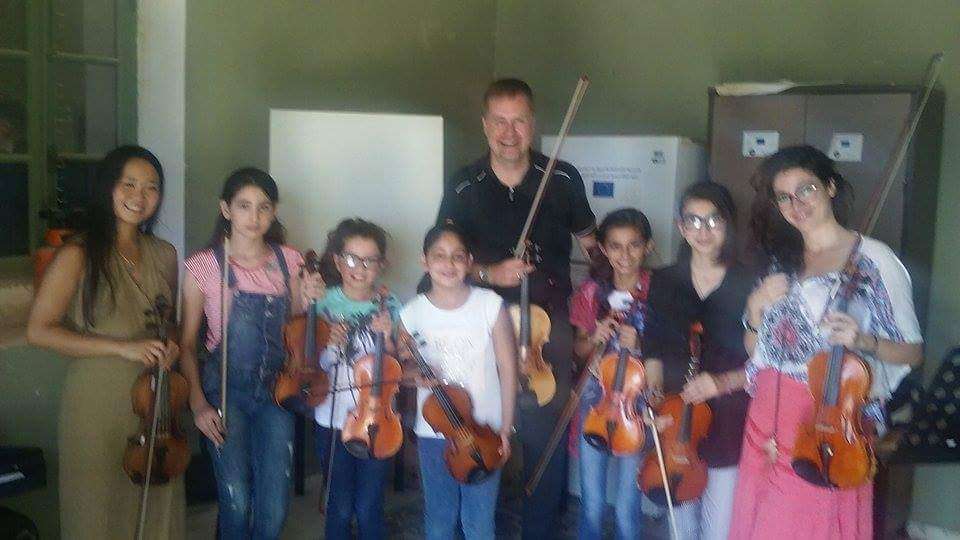
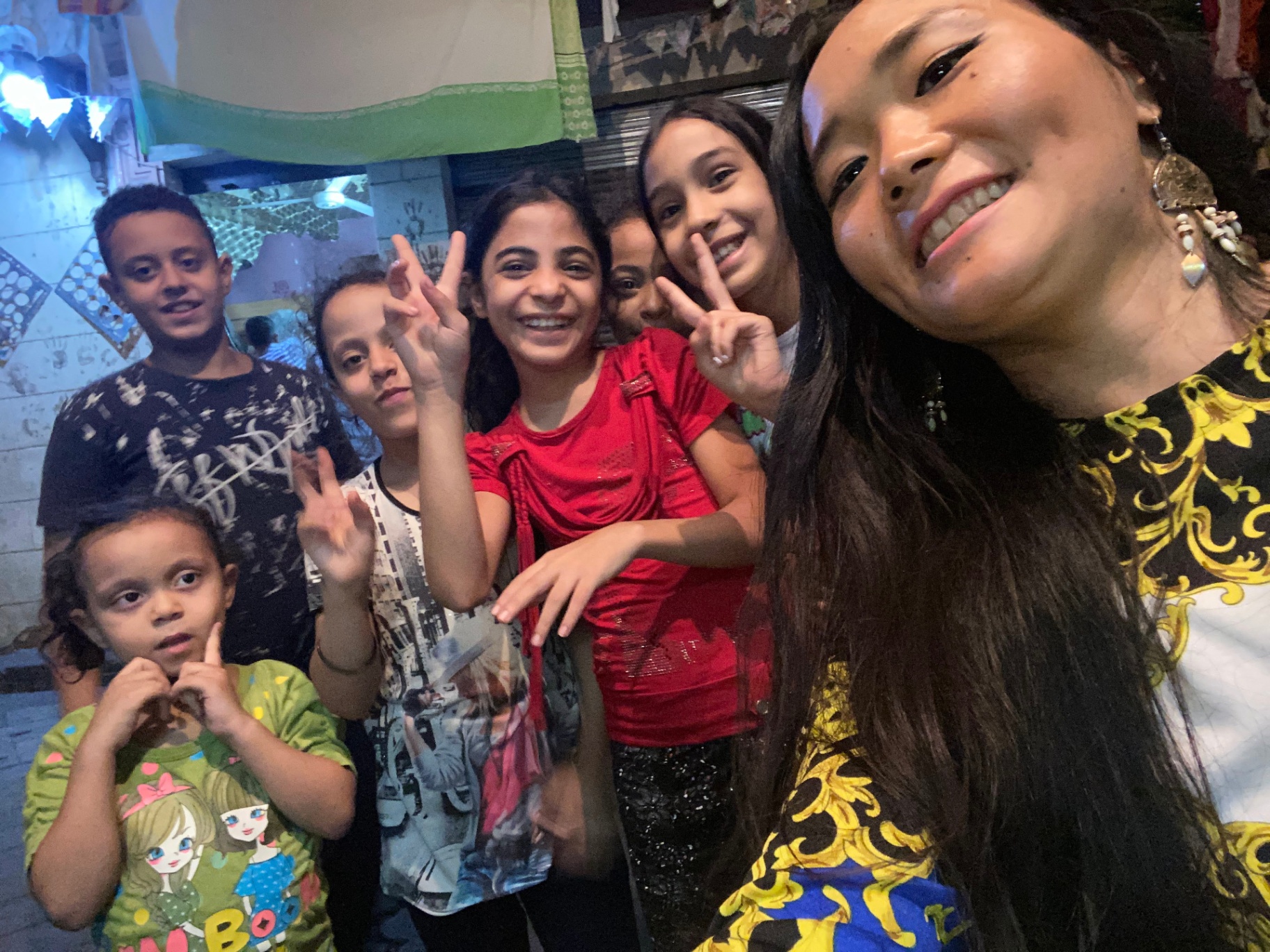
Through my work in music, I met people in Palestine and visited Palestinian refugee camps, as well as Syrian refugee camps in Lebanon. In Egypt, I also spent time with children in orphanages.
The scenes I witnessed, the words I heard, and the conversations I shared stayed with me for years, even when I had no intention at the time of turning them into music.
Over time, these individual encounters became the five compositions on this album.
I am not a journalist or a social activist.
What I can do is make music.
So I turned what I saw, heard, and carried with me into music.
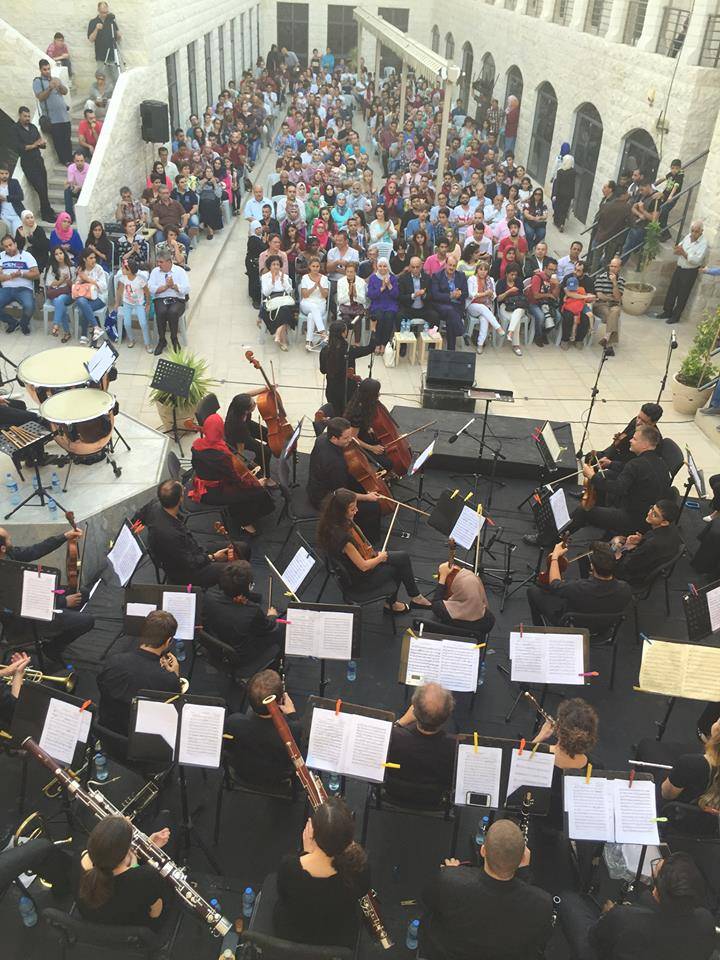
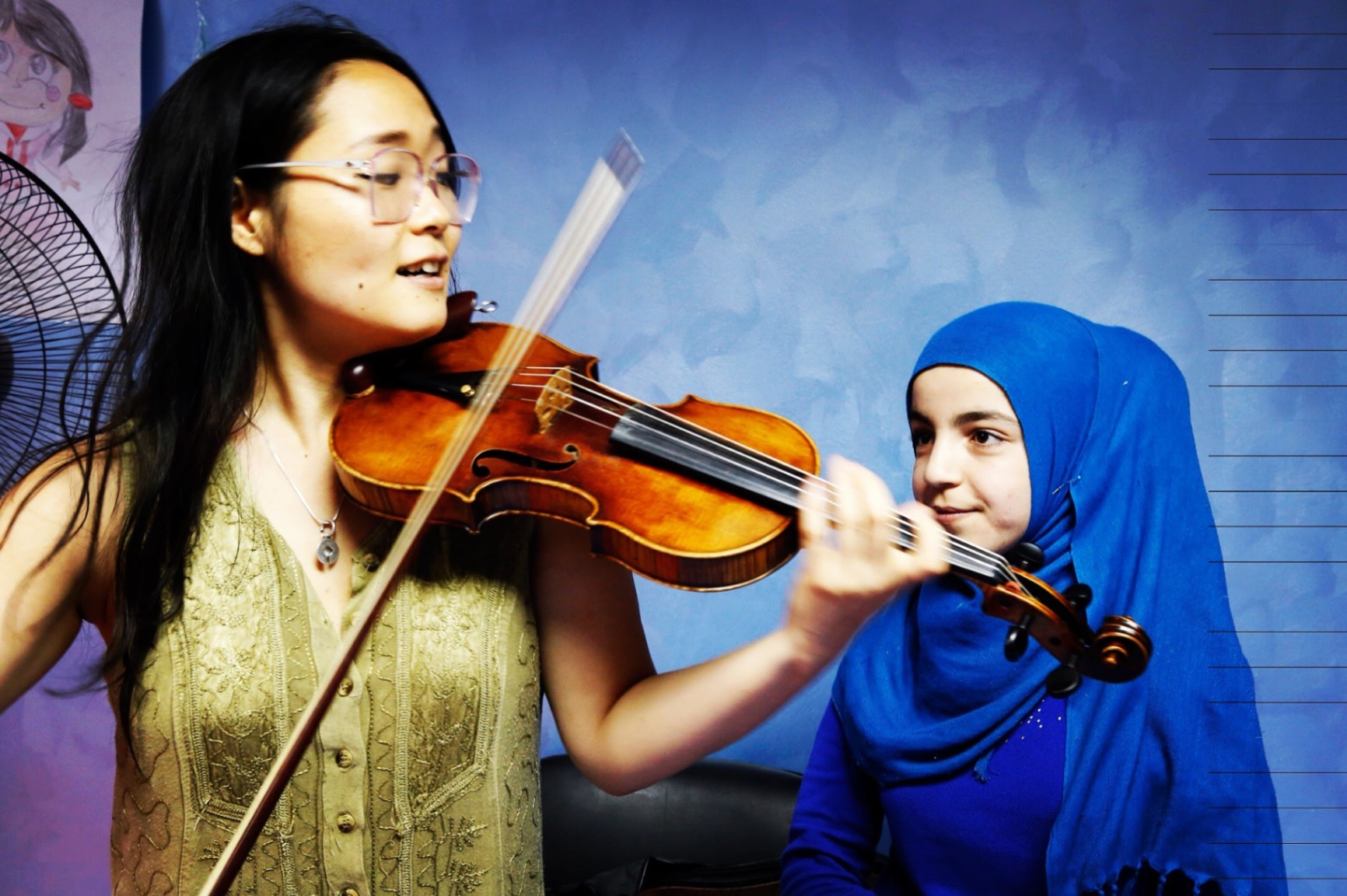
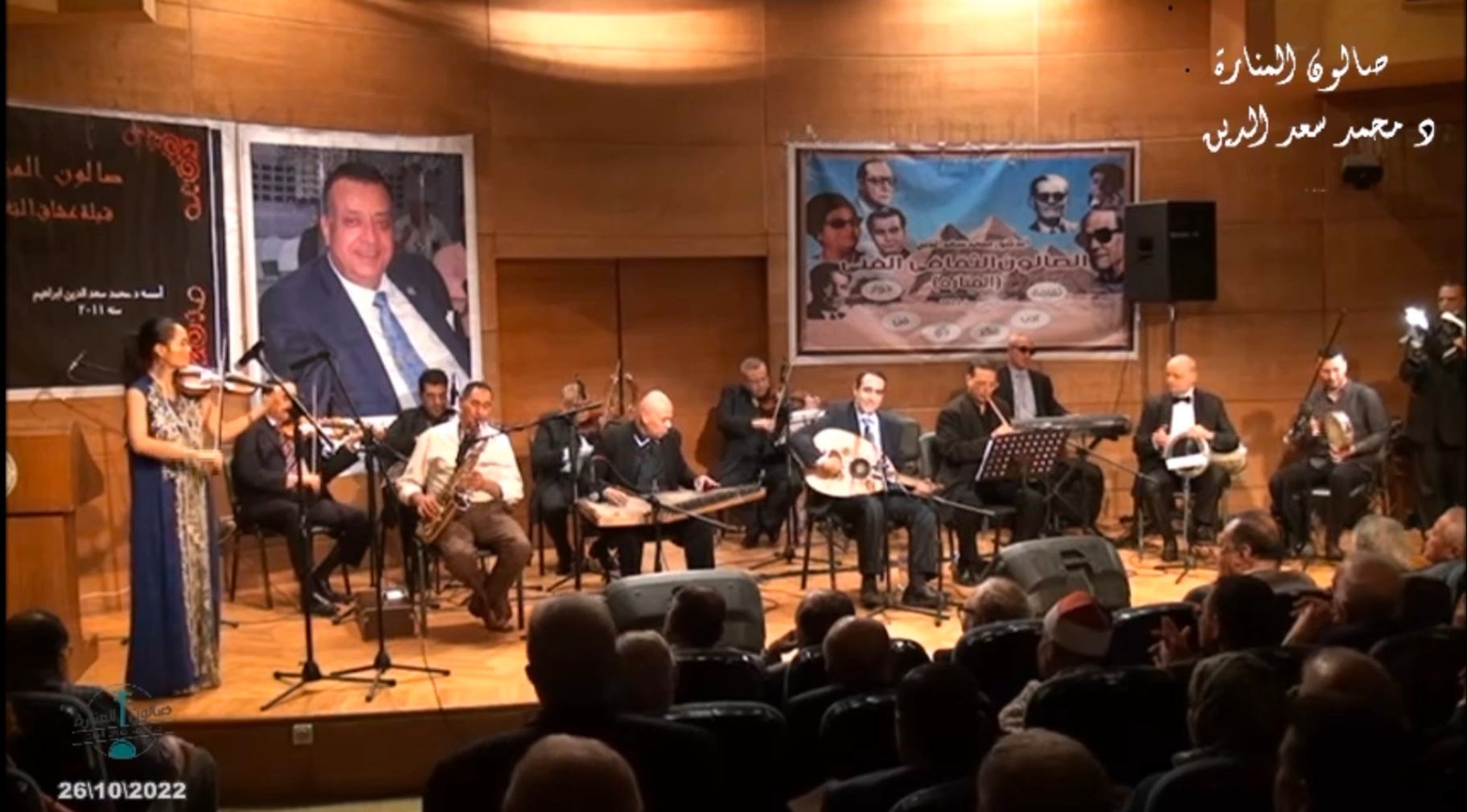
The Silence at the Heart of This Album
At the heart of this album is something I have been thinking about for a long time: silencing.
I strongly connect with writer and activist Derrick Jensen’s idea that silencing is the fundamental working of our world.
Losing one’s voice in war.
Being unable to express one’s own will within a family or society.
Being unable to speak about violence or oppression.
And our own tendency to look away from realities that are directly in front of us.
Having one’s voice taken away.
Things that were never spoken.
Things that were never heard.
What I want to do with this album, therefore, is not to speak on someone else’s behalf.
They already have voices of their own.
Through music, I want to break through that silencing and bring attention back to individual lives—the people who are actually living behind the stories we hear about.
That is the idea at the heart of this album.
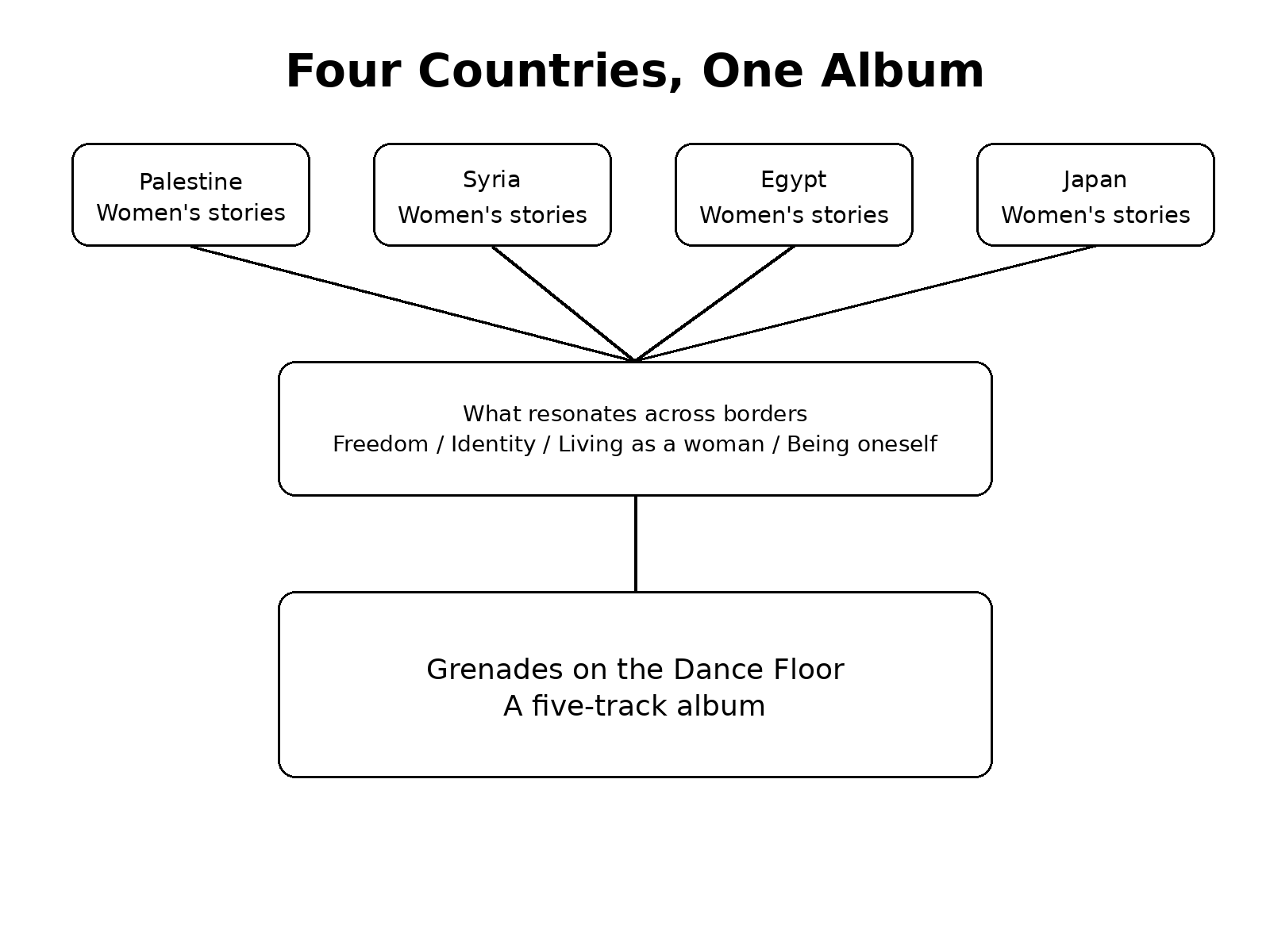
Four Countries, One Album
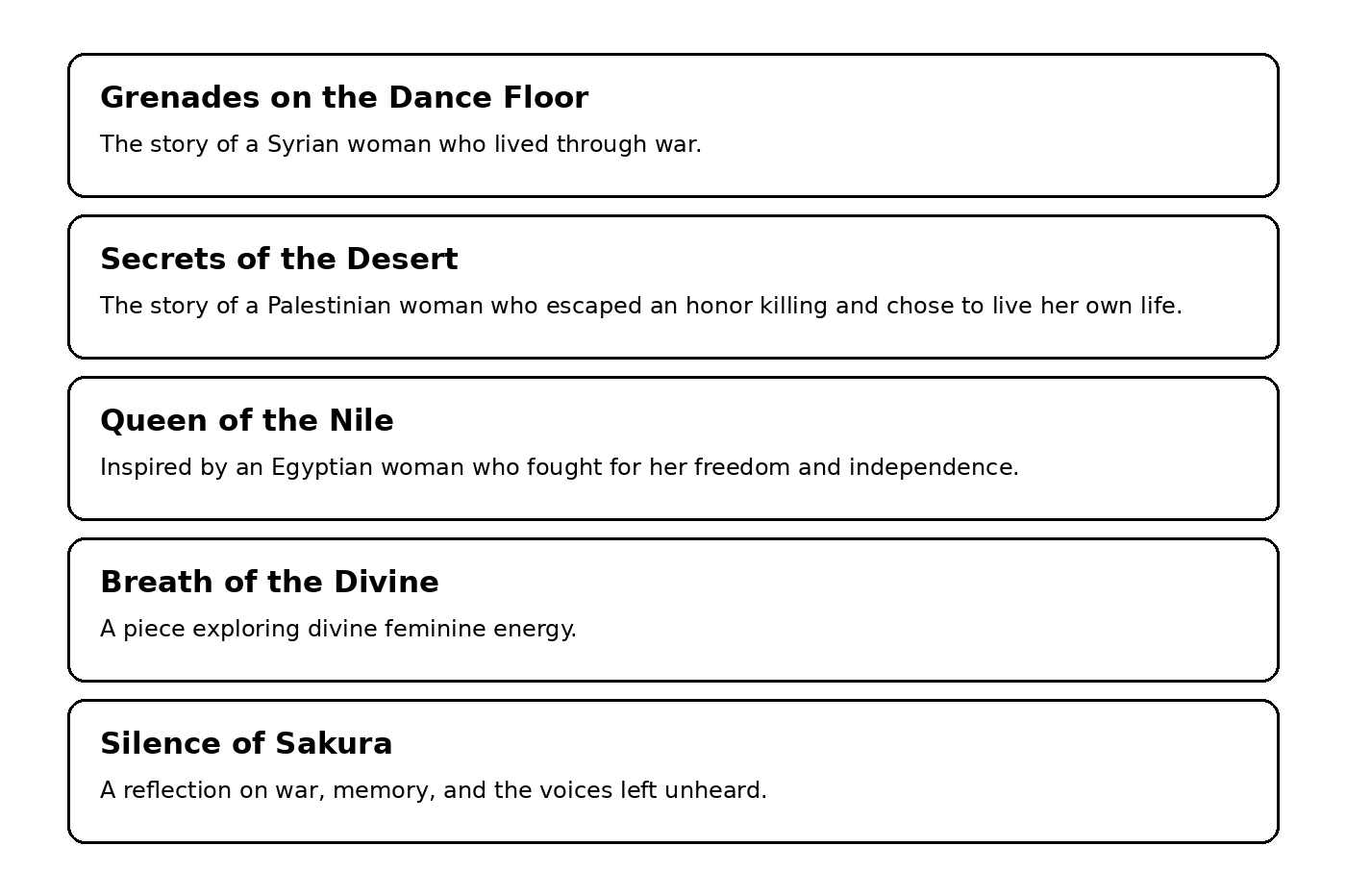
Five Compositions, Five Stories
The Title Grenades on the Dance Floor
Literally, the title means “grenades on the dance floor.”
There is an image in my mind that connects to this title.
People are dancing at a glamorous masquerade ball. But grenades are lying on the floor beneath their feet.
Somewhere, everyone knows they are there. And yet they continue dancing while trying not to see them.
Beauty and atrocity.
Celebration and violence.
Knowing, and pretending not to see.
Contradictory realities exist in the same world at the same time. That contradiction is embedded in the title.
And this idea is also reflected in the structure of the music.
In this work, I use polyrhythms—different rhythms moving simultaneously.
Different currents collide while continuing to exist at the same time, ultimately creating one piece of music.
For me, this is more than a compositional technique.
It is a way of expressing, through musical structure, the complexity of a world in which contradictory realities exist simultaneously.
Bringing the Sounds of My Own Journey Into One Album
Contemporary jazz. Arabic musical elements. Polyrhythms. A modern Japanese melodic sensibility—and everything else I’ve absorbed along the way.
These sounds may come from different musical worlds, but for me, they belong together.
I never set out to create a “fusion” of different cultures or to fit the music into a particular genre. After nearly twenty years of moving between New York, Cairo, and Japan, this is simply the music that comes out of me.
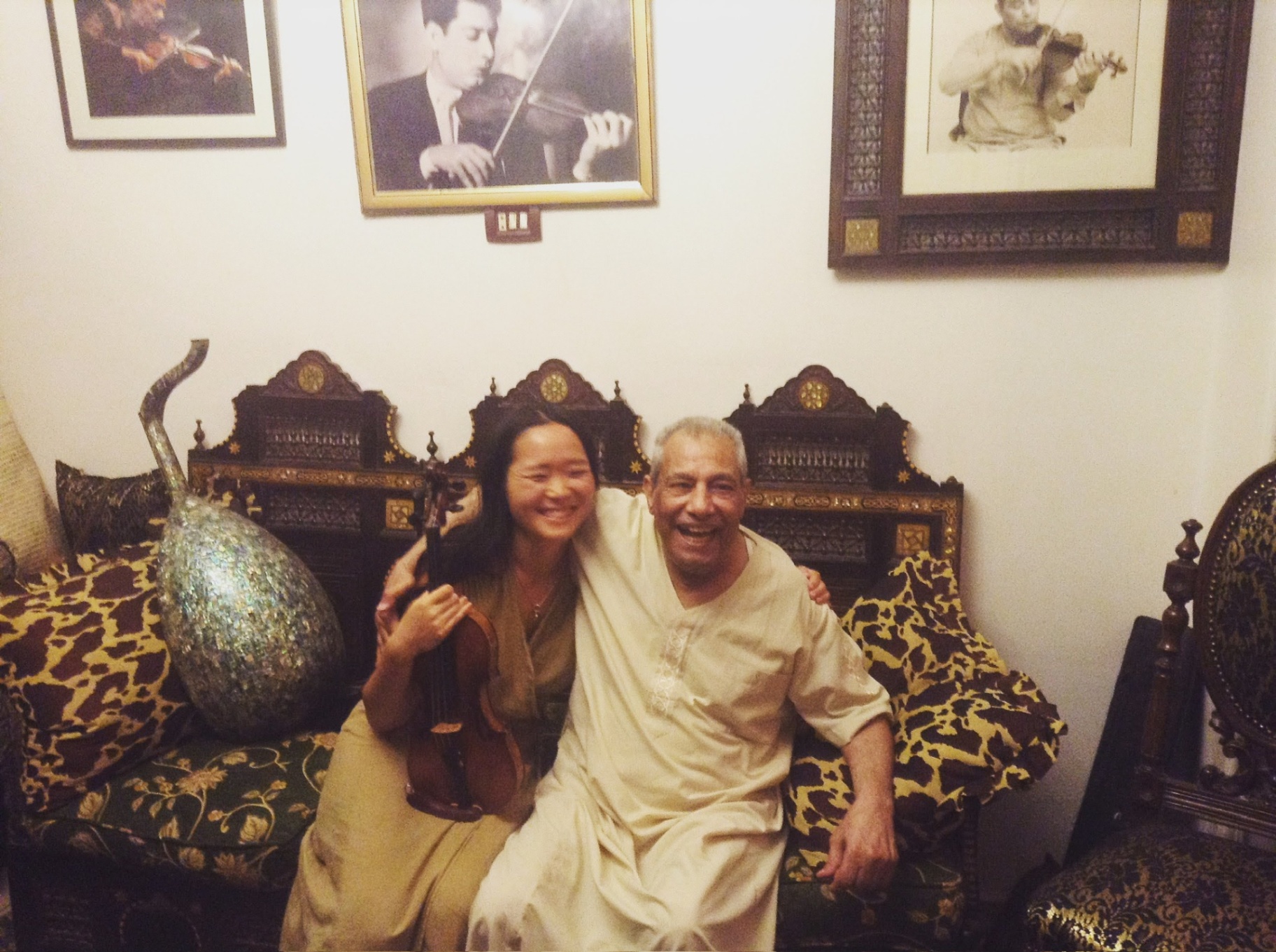
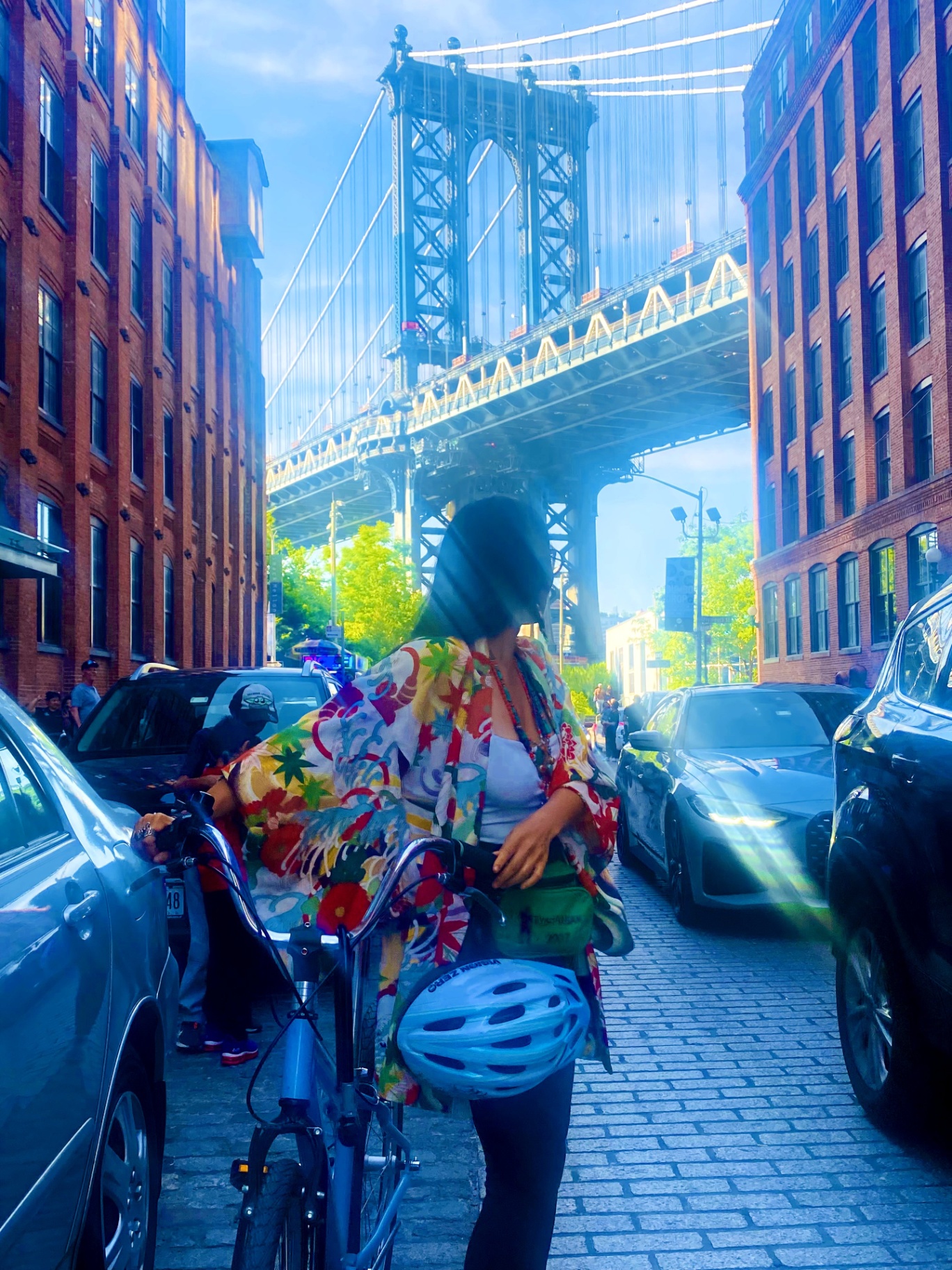
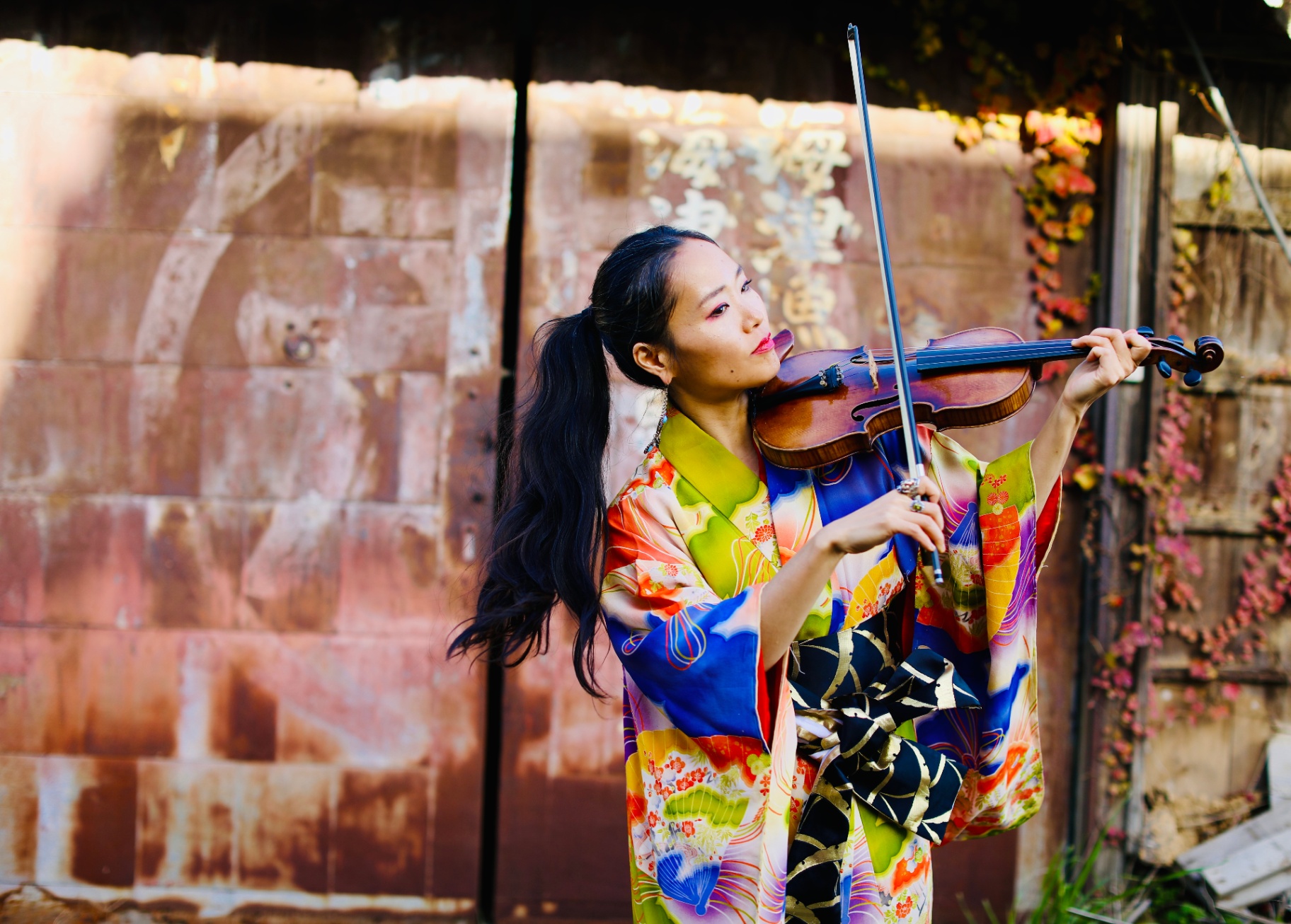 Recording in New York
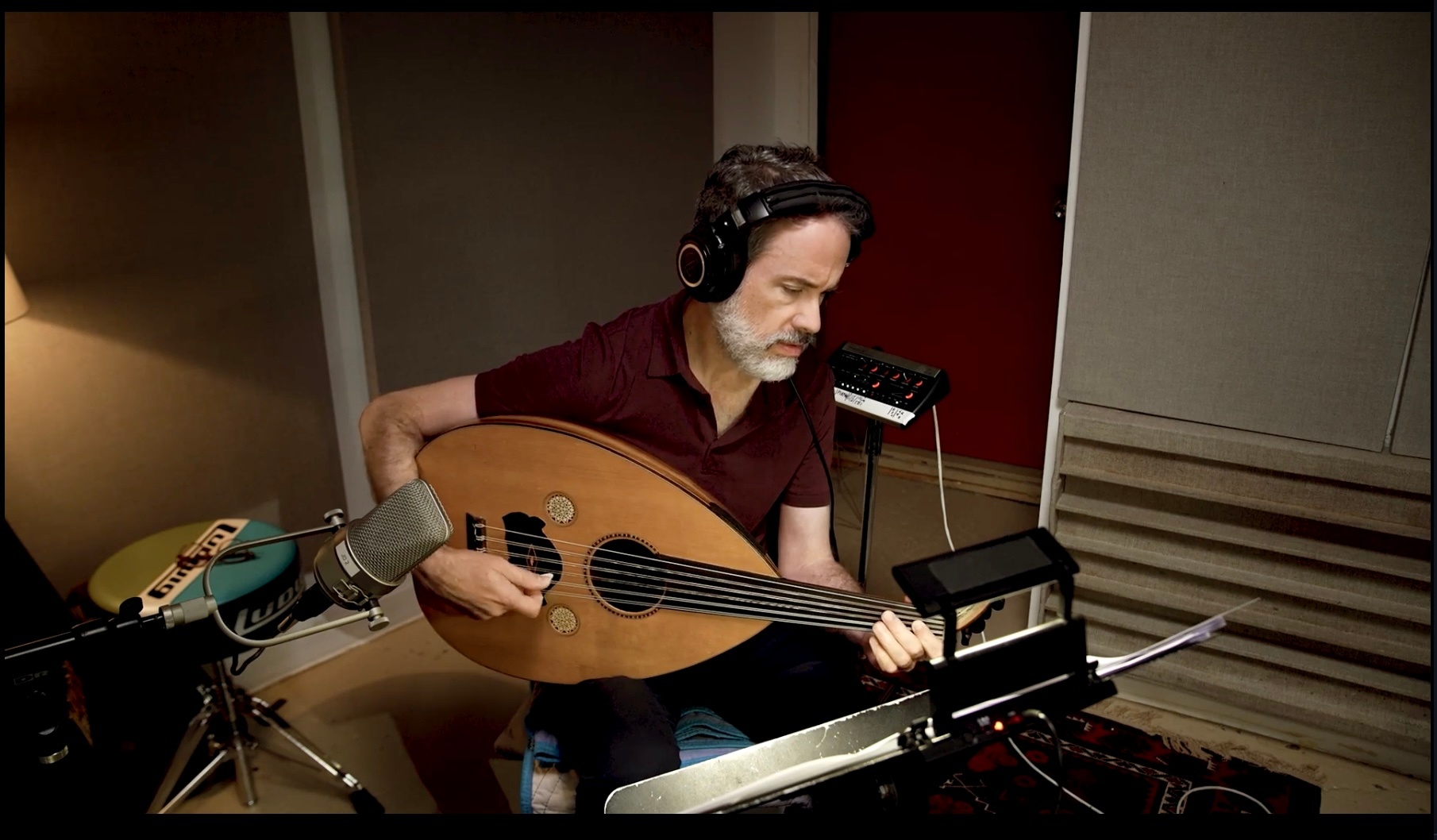
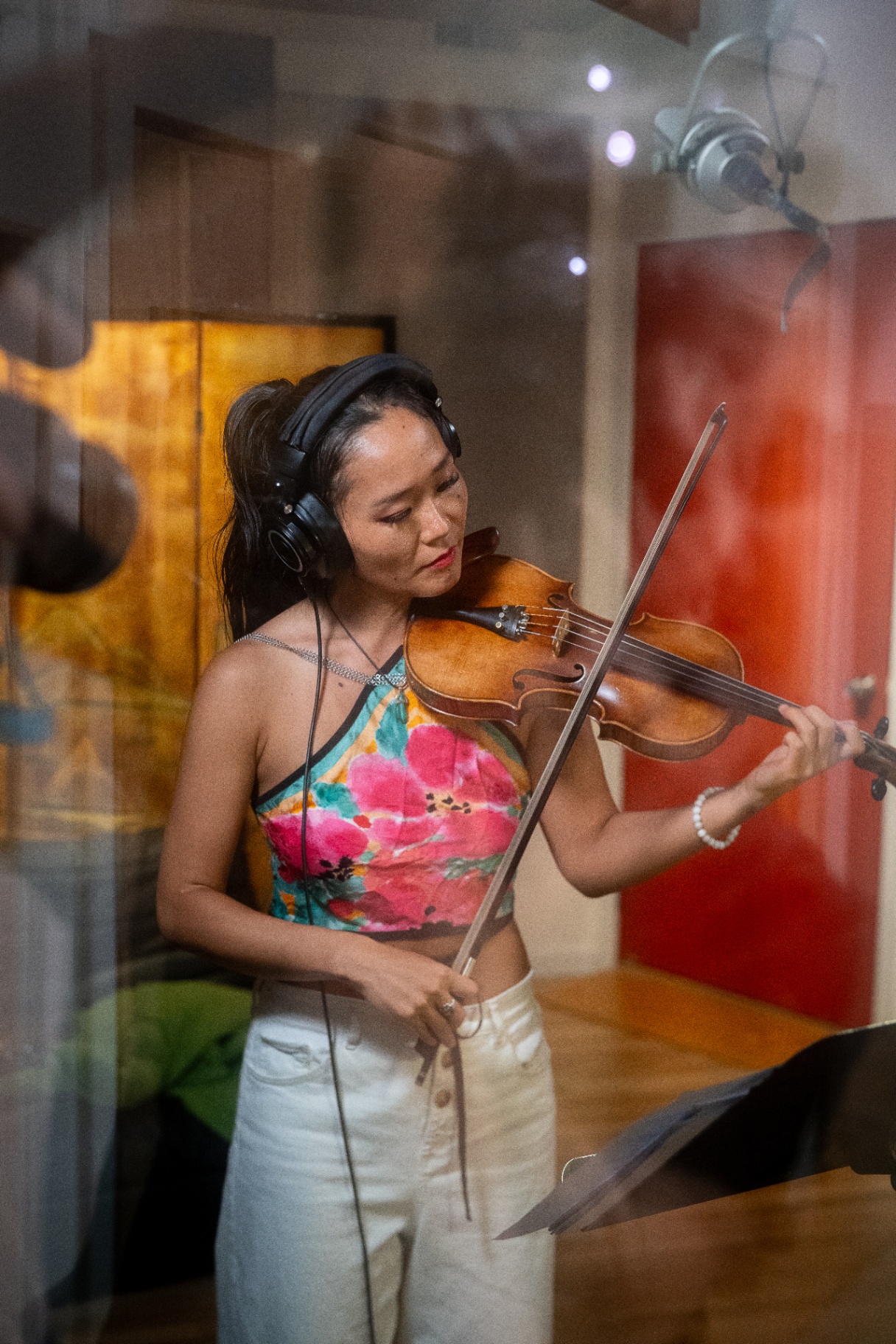
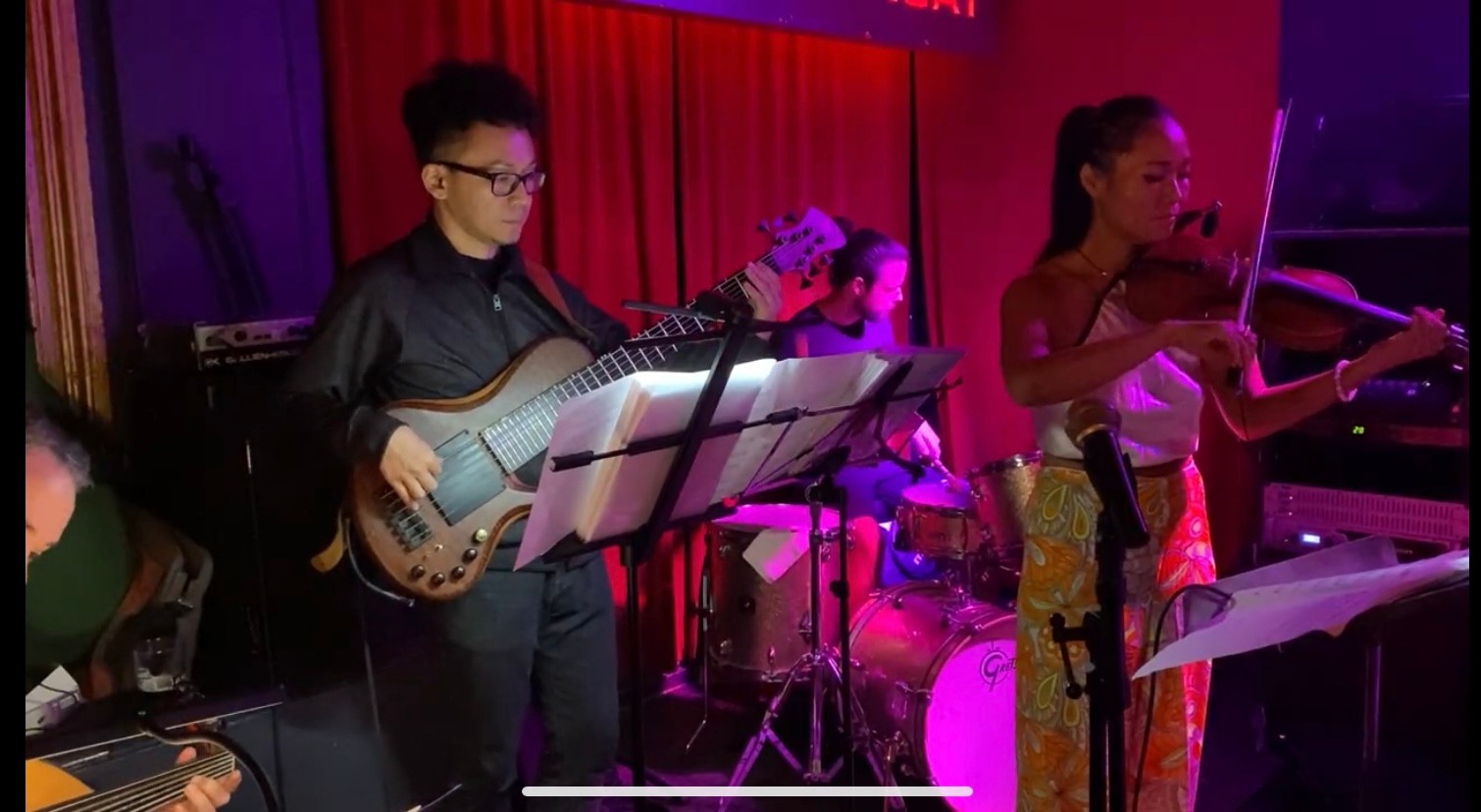
The album was recorded in New York with violin, oud, piano, electric bass, and drums.
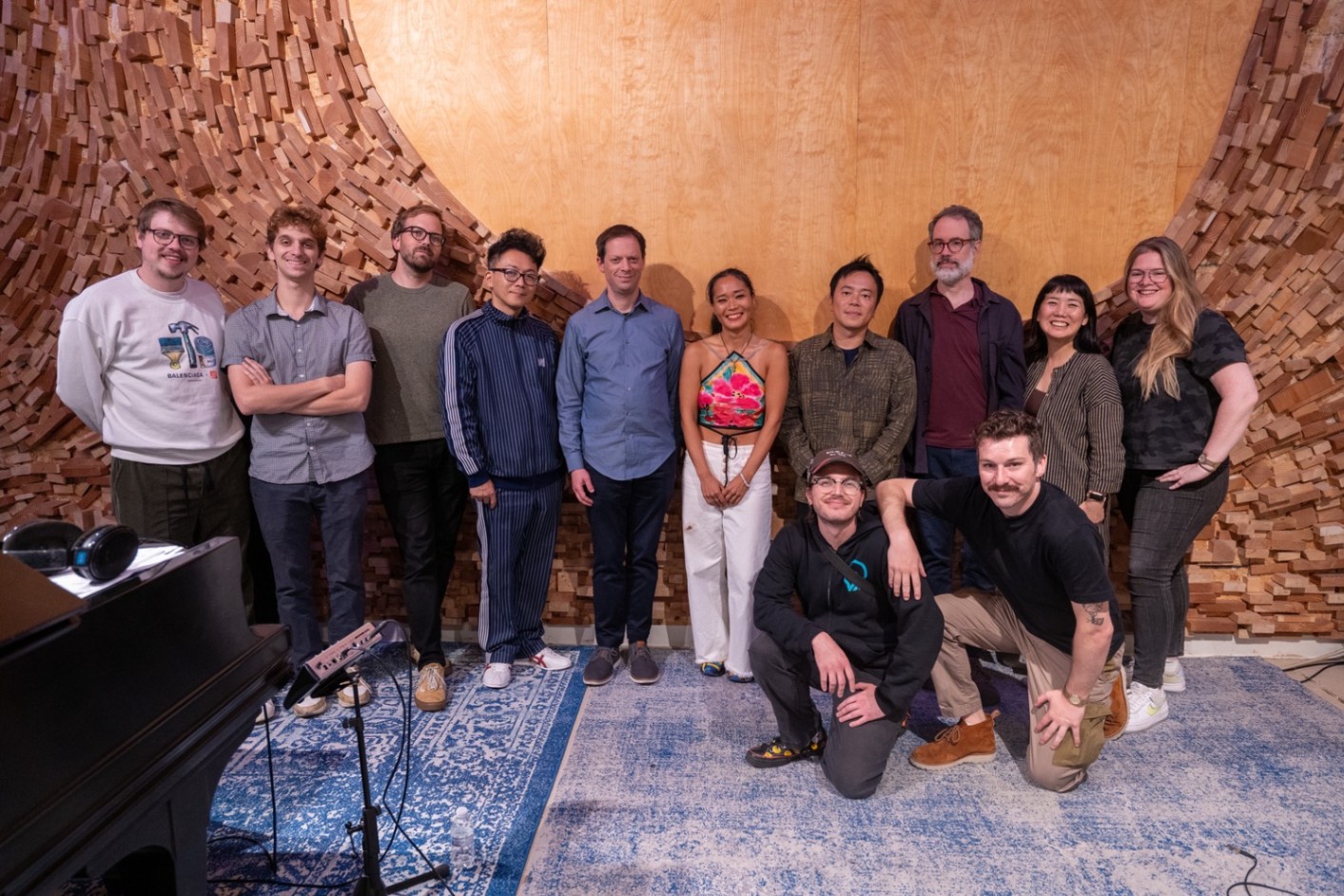
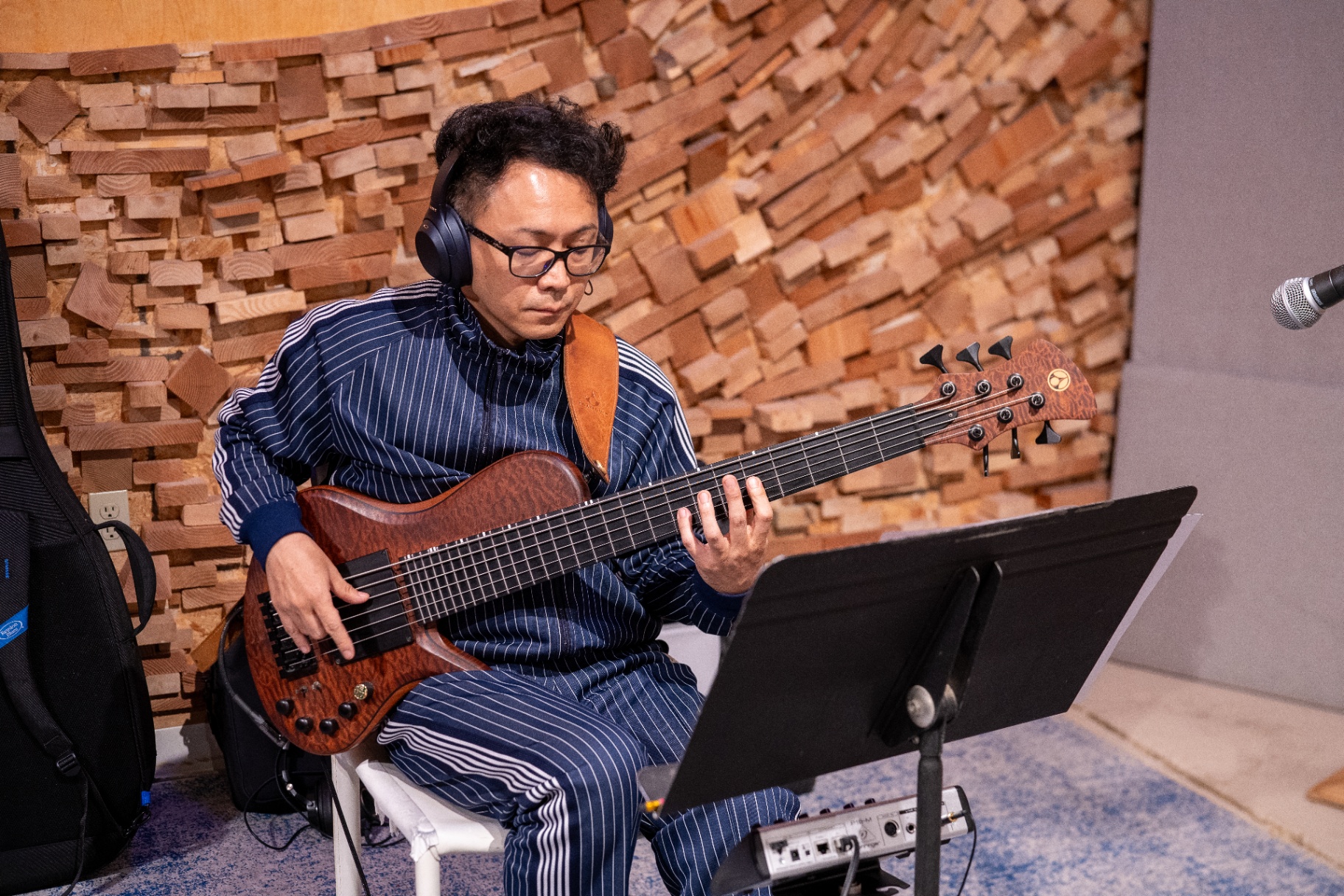
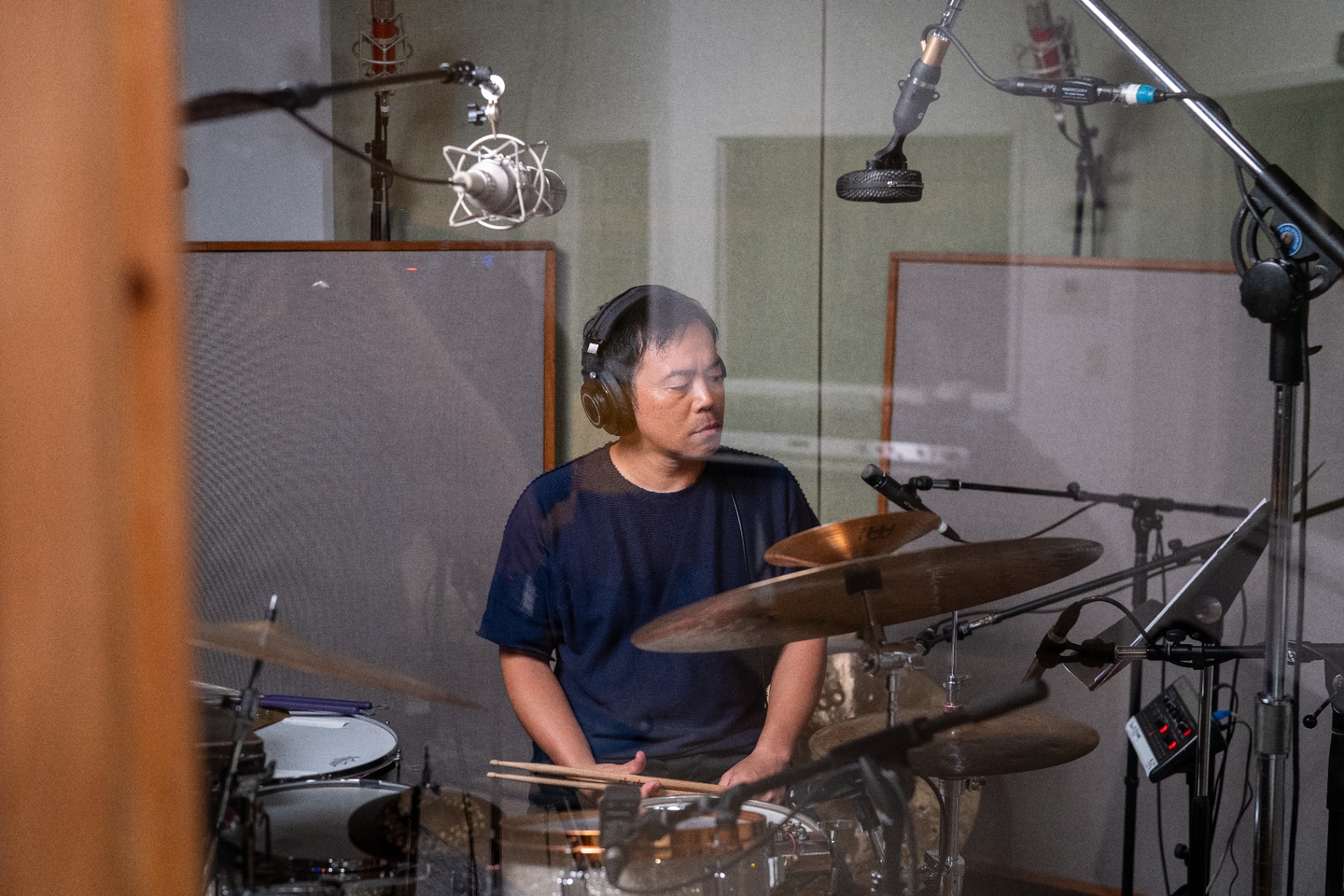
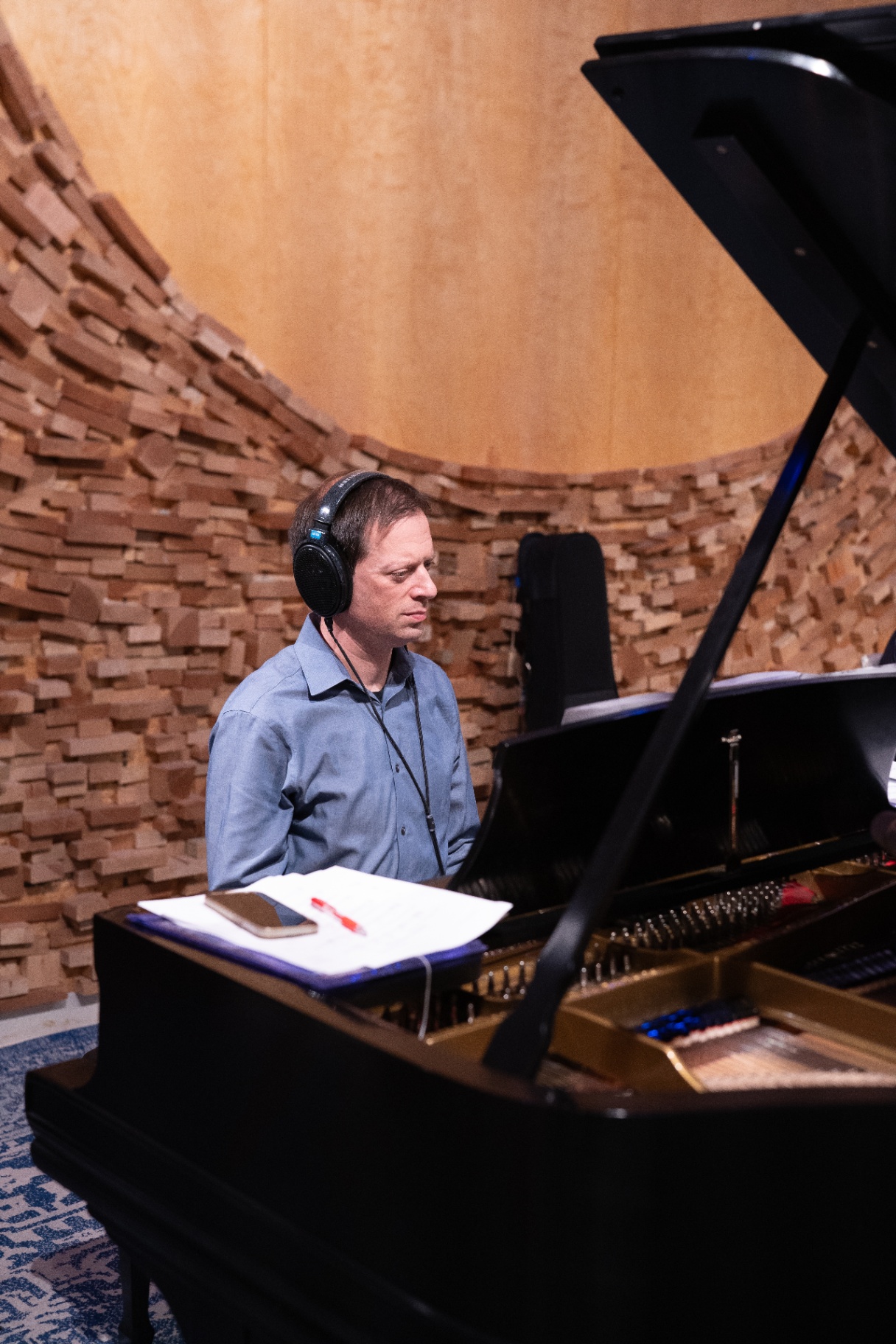
Musicians
Megumi J Tenyu — Violin / Composer / Producer
Brian Prunka — Oud
Adam Birnbaum — Piano
Moto Fukushima — Electric Bass
Keita Ogawa — Drums
Production
Migiwa Miyajima — Executive Producer
Julie Maniscalco — Assistant Producer
John Davis — Recording / Mixing
Alex Turks — Mastering
Satoshi Hashimoto — Additional Recording / Editing
Joseph Herbst — Copyist
Jose Gonzalez — Drone Production (“Violin Solo”)
Matthew Pierce — Video
✦ A Message from Producer Migiwa Miyajima ✦
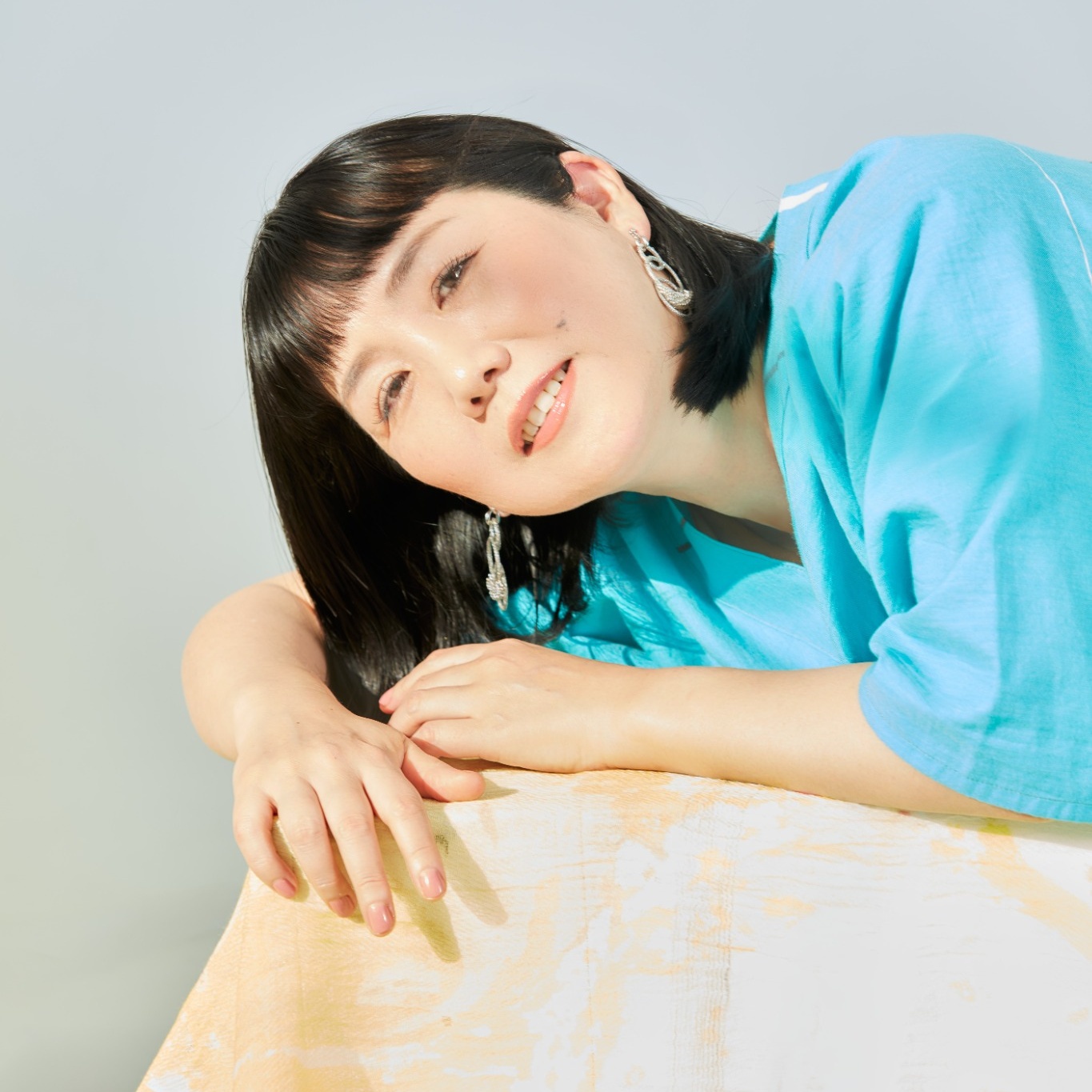
“By listening to and supporting this work, what you will gain is not only ‘beautiful music,’ but also a new perspective from which to truly see the world.
Megumi encountered many women in the Arab world living each day unable to do what they wanted, say what they wanted to say, or live as their true selves. She transformed into music the feelings that words alone could not fully express. I hope that through this project, Megumi’s prayers and hopes will reach you.”
Migiwa Miyajima
Composer / Producer / Author
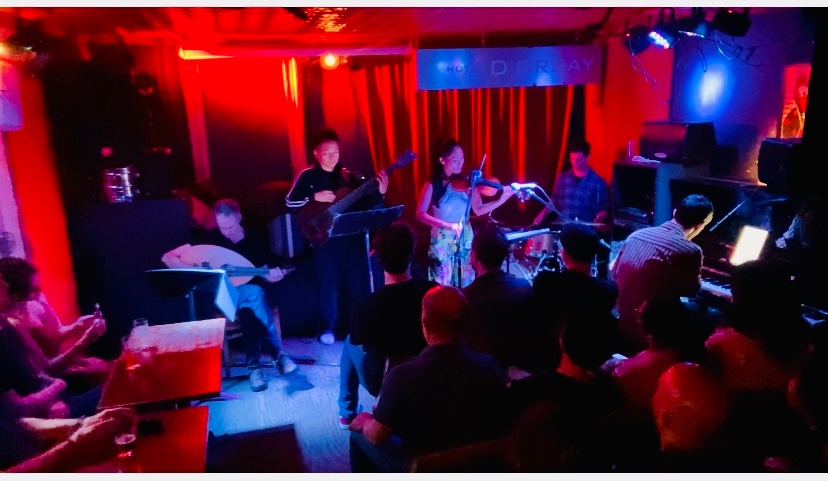
Why I Chose Adhyâropa Records
While searching in New York for the right label for this album, a musician friend introduced me to Adhyâropa Records.
Adhyâropa is a 100% artist-run, rapidly expanding label that has grown almost entirely through word of mouth, from artist to artist.
When I learned about its model—where artists retain control over their work and much of the revenue returns to the artists themselves—I strongly felt:
“This is exactly the kind of system we artists need.”
Alongside releasing this album through Adhyâropa, I am also joining the Adhyâropa team as Project Manager for Adhyâropa Japan—bringing the artist-to-artist spirit that welcomed me into the label to a new generation of artists in Japan.
✦ A Message from Adhyâropa Records ✦
“Megumi is an exquisite, fascinating, and endlessly curious musician and I’m looking forward to this project with great anticipation! I can’t wait for the world to hear this music. The whole team at Adhyâropa sends its love, support, and best wishes!”
Joe Brent
9 Horses / Founder & Managing Director, Adhyâropa Records
The Music Is Already Here. Now It Needs to Reach People.
This crowdfunding campaign is not about asking for support to make an album someday.
The composition, New York recording, mixing, and mastering are already complete.
I have invested significantly in bringing this album this far, both financially and through years of work.
But completing the music and bringing it to people as a finished work are two different things.
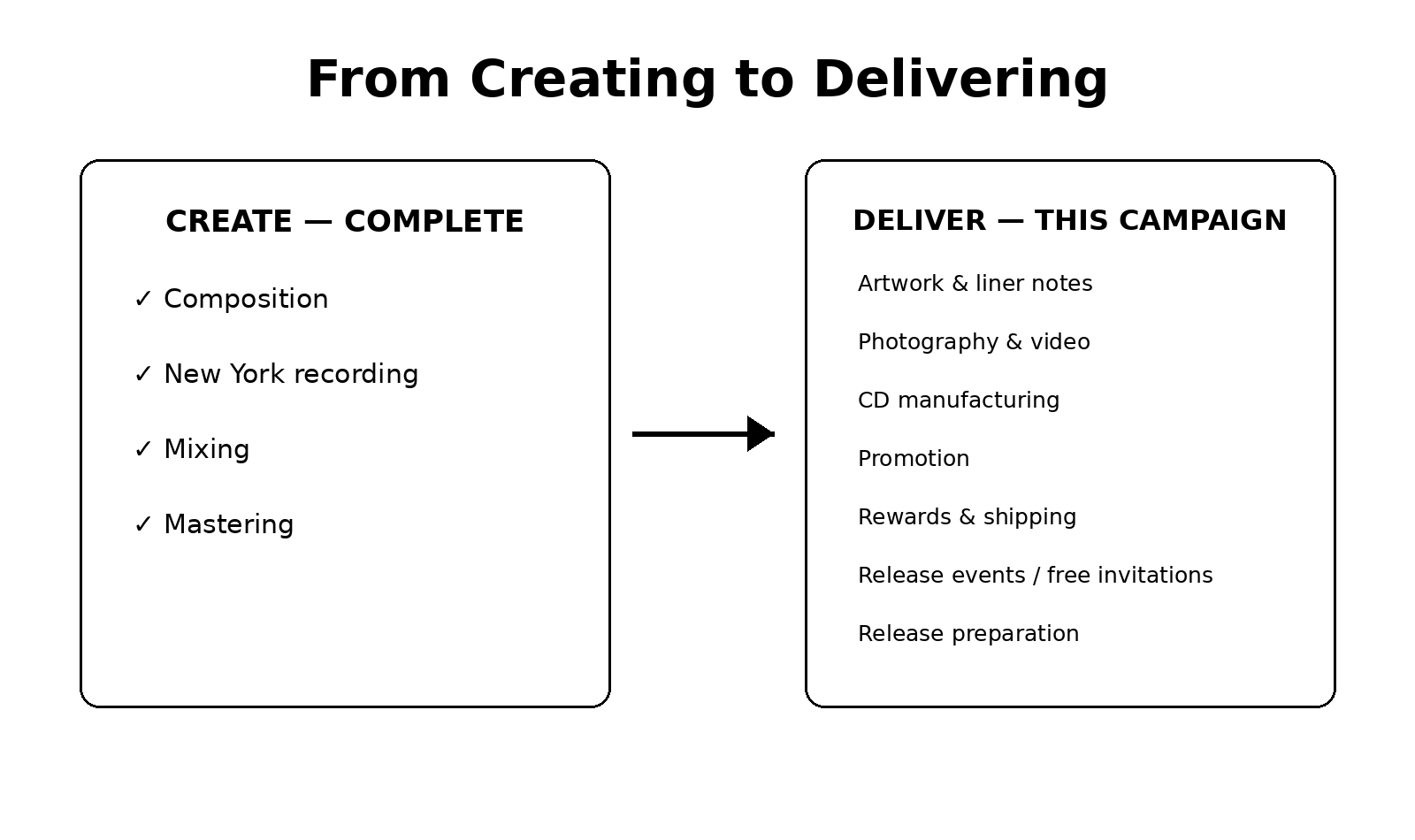
From Creating to Delivering
From this point forward, the project still requires the work, time, and expertise of many people—as well as the resources to make that work possible.
That is why I am asking you to join me in this final journey from creating the music to delivering it.
What I Want to Make Possible Through This Project
In spring 2027, Grenades on the Dance Floor will be released through Adhyâropa Records / Adhyâropa Japan.
But for me, the goal is not simply to be able to say, “I released an album.”
The goal is for this music to leave my hands and reach someone I have never met.
And for someone listening to encounter, through music, the life of another human being who has lived in a place and circumstances completely different from their own.
At the New York album-release performances, I also plan to use a portion of the support received through this crowdfunding campaign to offer free admission to refugees and survivors of domestic violence.
I want to create a space where people whose own lives connect with the themes behind this work can experience the music in person.
Your support will not only help bring this album into its finished form and deliver it to listeners. It will also help create a space where this music can be shared with people whose lives connect directly with its themes.
How Your Support Will Be Used
First and Second Goals
First Goal: ¥2,000,000
First, we aim to secure the essential production and preparation costs needed to shape the completed music into a finished album and release it.
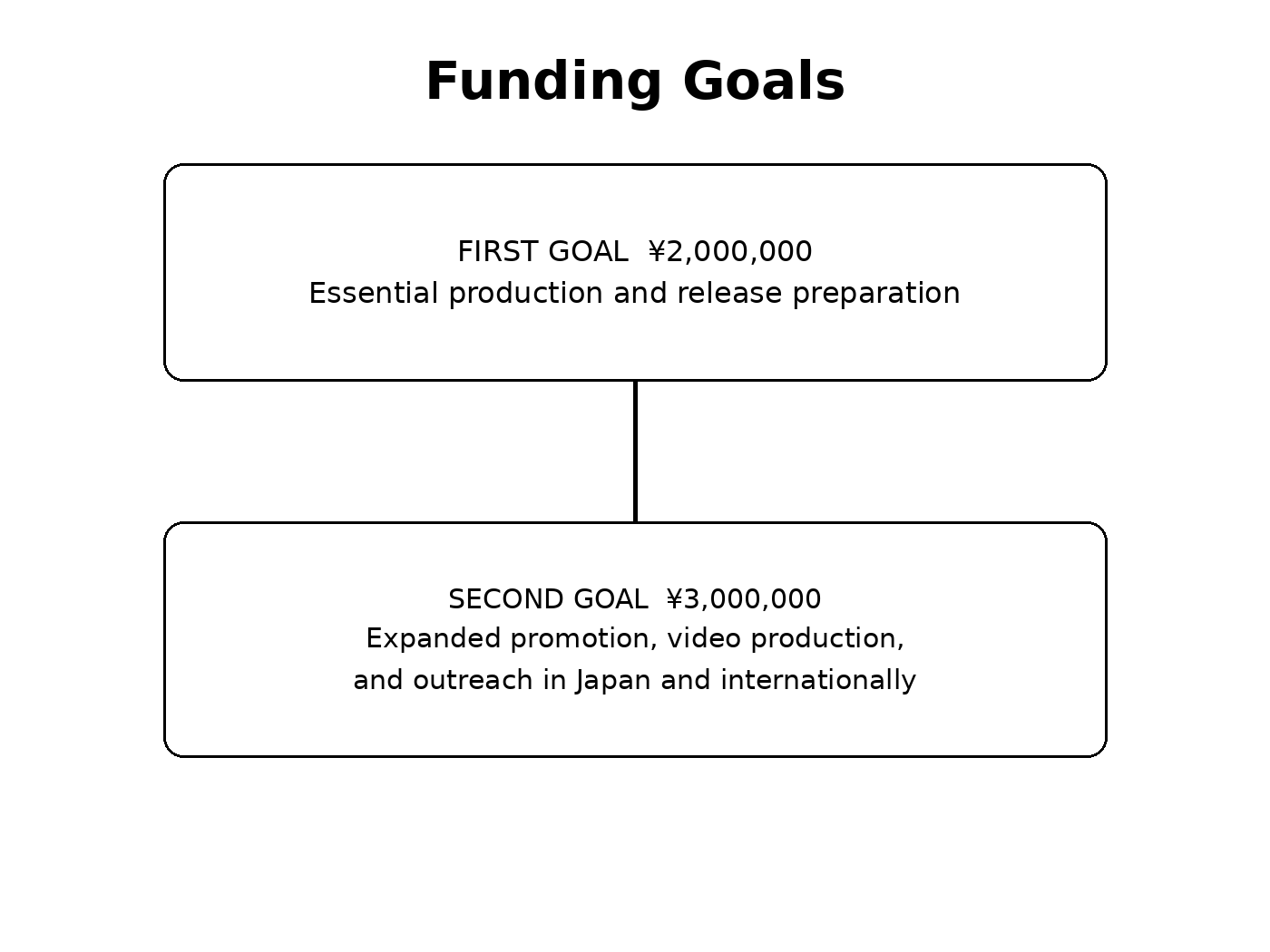
Second Goal: ¥3,000,000
After reaching the first goal, we will expand promotion in Japan and internationally, strengthen video production, and work to bring this music to a wider audience.
Why ¥3,000,000 Is Needed
This album will be released through a New York-based label, and much of the production and promotion is taking place across both New York and Japan.
Production and labor costs in New York are high, and even after the music itself has been completed, substantial costs remain: photography and video production, design, CD manufacturing, promotion in Japan and internationally, shipping, and other release-related expenses.
I have already personally covered the costs of recording, mixing, and mastering.
The ¥3,000,000 goal is not about making the project extravagant. It reflects the real costs of carefully shaping the completed music into a finished work and bringing it to listeners in Japan and internationally.
How the Funds Will Be Used
The funds will be used to shape the completed music into a finished work and bring it to listeners.
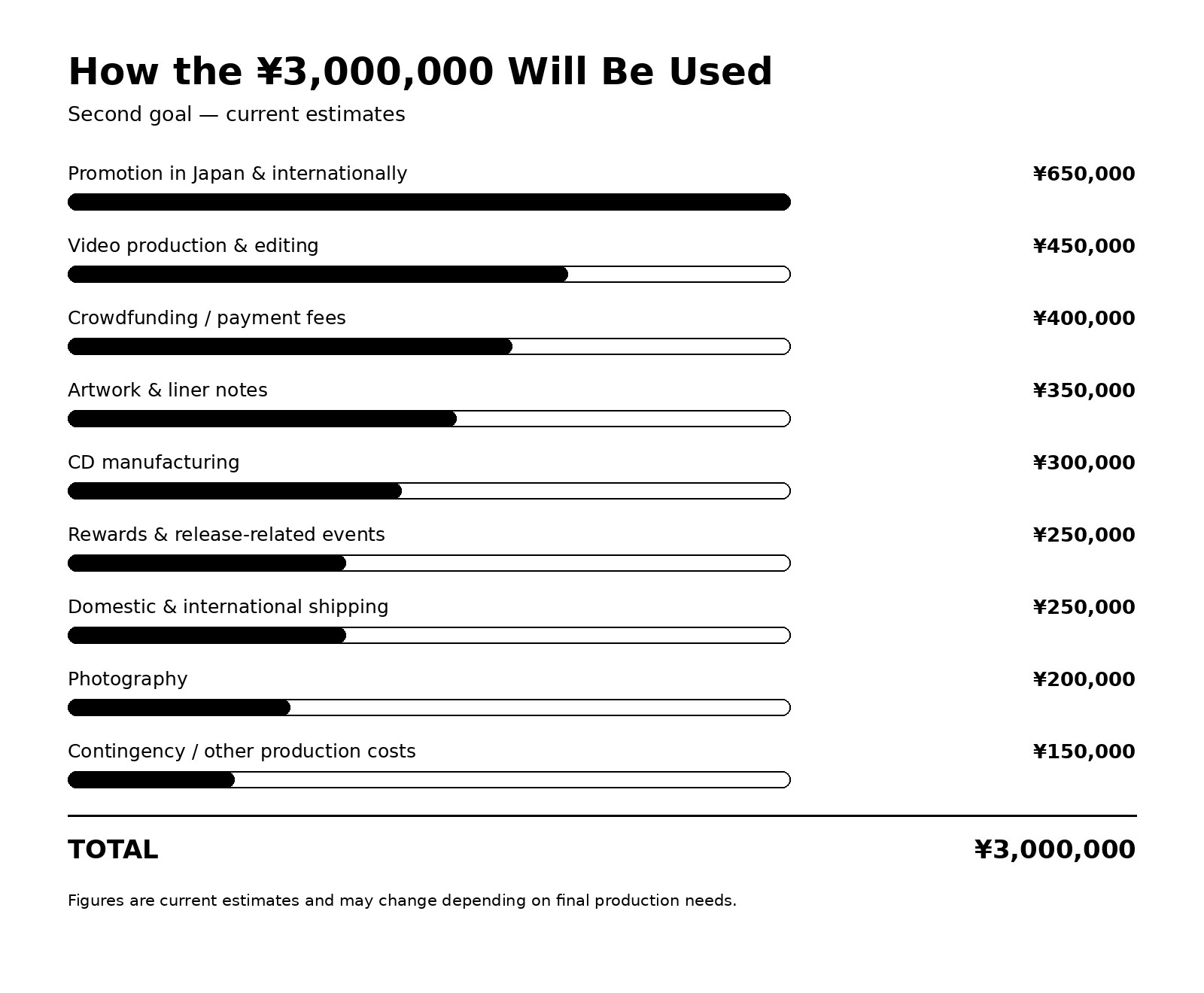
The main expenses include CD manufacturing, artwork and liner-note design, photography and video production, promotion in Japan and internationally, rewards and shipping, crowdfunding and payment fees, and other release-related costs.
I am also planning experiential rewards, including talk sessions and mini performances in Tokyo and New York, as well as an online album listening and discussion session. A portion of your support will help cover the venue and production costs required for these events.
A portion of the funds will also be used to offer free admission to refugees and survivors of domestic violence at the New York album-release performances.
The amounts shown are current estimates and may change depending on final production requirements.
If We Exceed ¥3,000,000
If the campaign exceeds ¥3,000,000, the additional funds will be used to help the album reach an even wider audience through expanded promotion in Japan and internationally, additional video content, and further international outreach.
Schedule
Finally
I want to create a world in which music can make the life of someone far away feel just a little closer.
Palestine, Syria, Egypt, Japan.
The countries, cultures, and circumstances are different. But beyond those enormous differences are individual lives and everyday realities.
Through traveling the world and actually meeting people, places that once felt distant to me became places with human faces.
I believe music can create that kind of encounter as well.
Grenades on the Dance Floor is a work I have created over many years of traveling, meeting people, and learning music.
Now, I want to carry this music forward and bring it to others.
Even if supporting the campaign financially is difficult, sharing this page with someone you know would be a tremendous help.
I hope this music—and the lives of the women carried within it—can reach as many people as possible.


リターンを選ぶ